If you're buying or refinancing a manufactured home in Florida with an FHA loan, your lender will almost certainly require a foundation certification before the loan can close. This isn't optional and it isn't bureaucratic red tape — it's a hard requirement tied to how FHA defines eligible properties.
This article breaks down exactly what FHA requires, why the certification exists, and what to expect from the process in Florida.
What Is an FHA Foundation Certification?
An FHA foundation certification — formally called a PFGMH certification, short for Permanent Foundations Guide for Manufactured Housing — is a document signed by a licensed engineer confirming that a manufactured home's foundation meets HUD's structural standards.
The guide itself was published by HUD in 1996 and has been the benchmark for manufactured home foundations ever since. When your lender orders a foundation certification, they're asking a licensed engineer to inspect the property and confirm it complies with that guide.
What Does FHA Actually Require?
FHA's foundation requirements for manufactured homes come from HUD Handbook 4000.1. The key requirements are:
- Permanent foundation: The home must be on a foundation system that meets HUD's PFGMH standards. This means the foundation must be designed to resist frost heave, settlement, and lateral forces.
- Chassis removal or support: In most cases, the home must either have its steel chassis removed or have the chassis properly supported as part of the permanent foundation system.
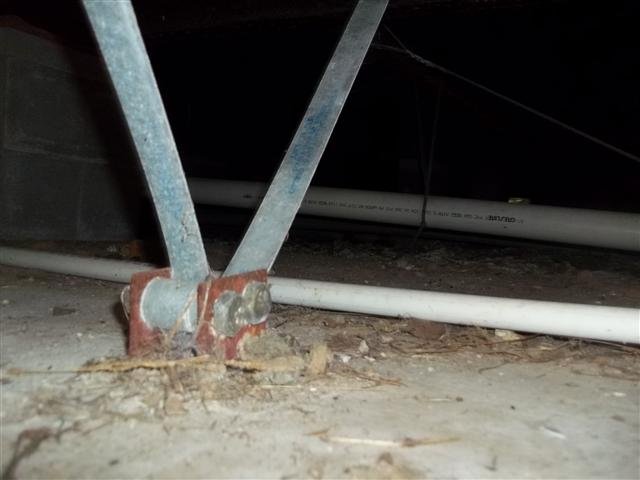
- Anchoring and tie-downs: The home must be properly anchored to resist wind and seismic forces. In Florida, wind resistance is particularly important given hurricane exposure.
- Piers and footings: Piers must be placed at specified intervals and must bear on footings that extend below the frost line or to stable soil.
- Vapor barrier: A ground cover vapor barrier is required in the crawl space to manage moisture — especially relevant in Florida's humid climate.
- Site drainage: The site must drain away from the foundation to prevent water accumulation.
Why Does Florida Have Unique Considerations?
Florida's climate and geology create a few conditions that affect manufactured home foundations specifically:
Wind exposure. Most of Florida falls in a High Wind Zone or Special Wind Zone under HUD's classification. The anchoring and tie-down requirements are stricter in these areas. A foundation that would pass inspection in Ohio might not pass in Sarasota or Fort Myers.
Soil conditions. Florida's sandy soil has relatively low bearing capacity in many areas, which affects footing design. An engineer inspecting a home in the Panhandle is looking at different soil conditions than one inspecting a home near Lake Okeechobee.
Moisture. Florida's humidity means the vapor barrier requirement isn't a formality — it's genuinely important for preventing moisture damage, wood rot, and mold in the crawl space.
What the Inspector Actually Looks At
When a licensed engineer comes to inspect your property for FHA certification, they're physically crawling under the home and documenting what they find. The inspection covers:
- Foundation type and configuration (perimeter wall, piers, slab)
- Footing size, depth, and material
- Pier spacing, height, and condition
- Tie-down anchoring systems — type, condition, and placement
- Chassis condition if visible
- Vapor barrier — presence and condition
- Site drainage and grading
- Any additions attached to the home that affect the foundation load
What Happens If the Foundation Doesn't Pass?
If the inspection reveals deficiencies, the engineer will note them in a report rather than issuing a certification. At that point, you have a few options:
Remediation before closing. If the deficiencies are correctable — adding tie-downs, installing a vapor barrier, repairing damaged piers — the seller or buyer can address them and schedule a re-inspection. This is the most common path when the issues are minor.
Negotiate with the seller. If remediation is more involved, the buyer can negotiate with the seller to cover the cost of repairs as a condition of closing.
Walk away. If the foundation has significant structural deficiencies that would require major work, the buyer may choose not to proceed. This is less common but does happen.
A failed or incomplete inspection doesn't automatically kill the deal — it identifies what needs to happen before the lender can approve the loan.
How Long Does the Process Take?
A standard foundation certification in Florida typically takes 5 to 10 business days from the time the order is placed to when the signed report is delivered. If you're on a tight closing timeline, a rush certification can be completed within 72 hours for an additional fee.
The inspection itself usually takes 1 to 3 hours depending on the size of the home and whether there are additions. The engineer then writes the report, signs and seals it, and delivers it digitally.
Who Can Order the Certification?
Anyone involved in the transaction can order the certification — the buyer, seller, real estate agent, or the lender's processor. In practice, it's most often ordered by the loan officer or real estate agent once the property is under contract and the appraisal is scheduled.
It's worth coordinating the foundation inspection and the appraisal so they don't hold each other up. Some appraisers will note that a foundation certification is pending and hold the appraisal report until it's received — which can slow the timeline if both aren't ordered simultaneously.
Ready to Order a Florida Foundation Certification?
We cover all of Florida with standard and rush turnaround options. Order online or call us directly.
Order Now — $495Common Questions
Does the certification expire?
HUD certifications don't technically have an expiration date, but most lenders won't accept a certification that's more than 12 to 18 months old. If a previous certification exists, check with your lender before assuming it will be accepted.
Can the same certification be used for multiple lenders?
Yes. The certification is a document that can be provided to any lender involved in the transaction. It's not lender-specific.
Is a foundation certification the same as a home inspection?
No. A foundation certification is focused specifically on whether the foundation meets HUD's PFGMH standards. A general home inspection covers the entire home — roof, plumbing, electrical, HVAC, and more. Most lenders require both for a manufactured home purchase with an FHA loan.
What if the home is on a concrete slab?
Slab foundations are eligible for FHA certification if the slab meets HUD's requirements. The engineer will inspect the slab for cracks, proper thickness, drainage, and whether the home is properly anchored to it.